
Elena had always assumed the darkness was God’s design. For four years she’d worn those sunglasses — her armor against a world she thought she’d never see again. Her father, Victor, had spent a fortune on specialists, flown her across three continents, watched every diagnosis land like a stone in still water. “Irreversible,” they all said. He eventually stopped fighting it and started protecting her instead.
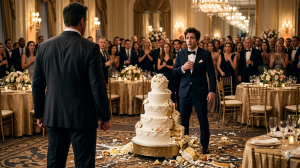
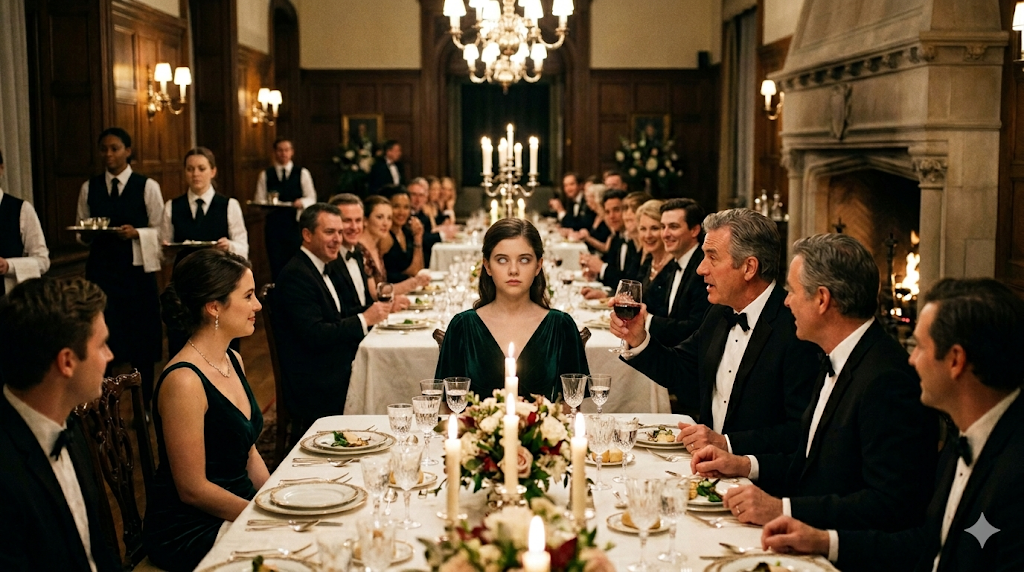
The terrace party was his attempt at normalcy. Chandeliers strung over marble, champagne in crystal, laughter from people who knew better than to stare at the girl in the dark glasses. Diane — Victor’s wife, Elena’s stepmother — moved through the crowd like she owned the sunset itself. She probably believed she did.
Nobody noticed the boy slip through the service gate. Marco had worked the kitchen for two summers before Diane had him fired for “stealing” — a lie she never bothered to make convincing. What she didn’t count on was what he’d seen. A small bottle. Clear liquid. Stirred into a cup of fresh mango juice on a Tuesday morning, while Elena hummed softly in the next room.
He’d taken the bottle. Held it for weeks. Told himself it wasn’t his business. But then his cousin, a pharmacy student, read the label he’d photographed. “This isn’t medicine,” she’d whispered. “It causes progressive vision damage. Over time — total blindness.”
That was the night before the party.
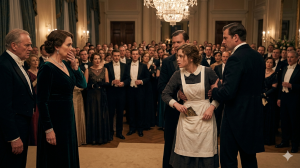
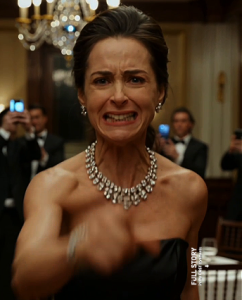
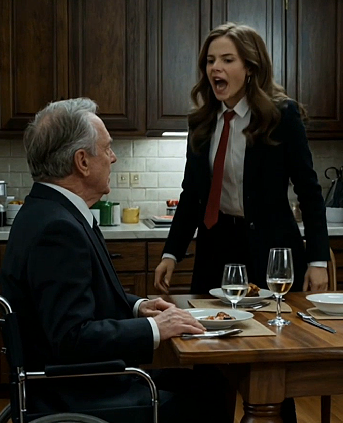
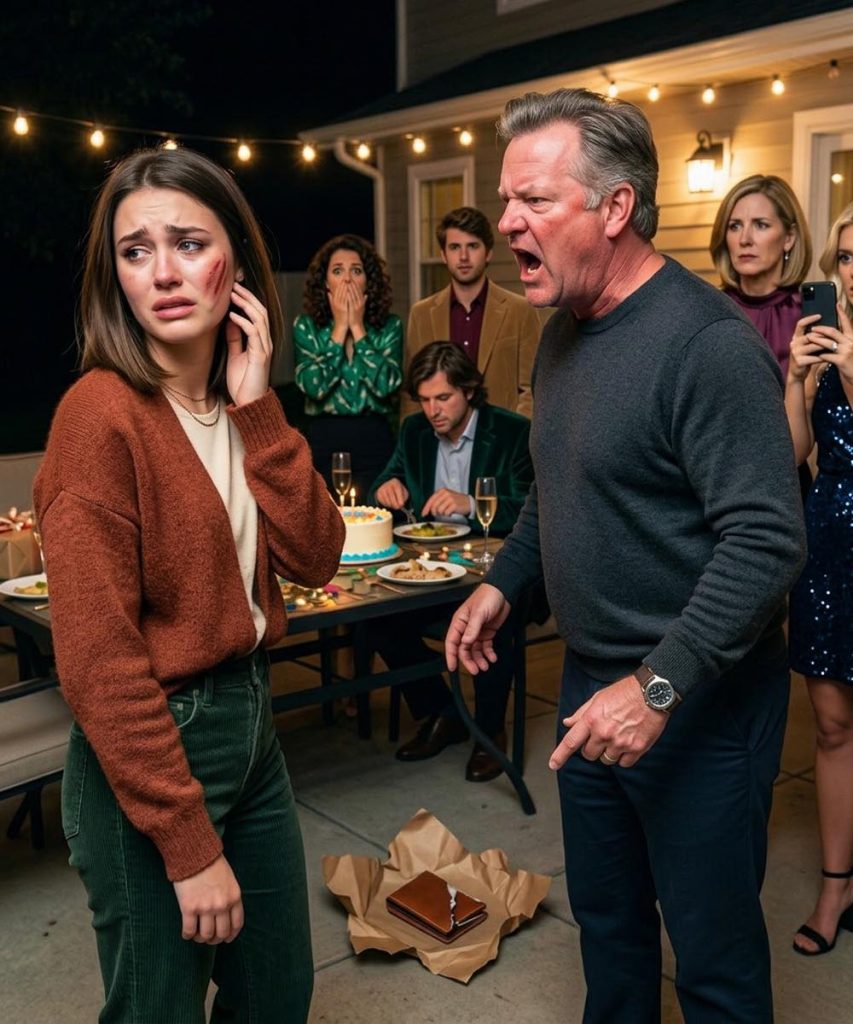
The metallic clank of the sack hitting marble silenced every conversation. Victor’s glass stilled in his grip. Marco’s voice didn’t shake. “Your daughter can see.” Diane’s composure fractured — not all at once, but in a single visible crack behind her eyes. Victor’s voice dropped low, controlled, terrifying: “…what did you just say?”
“She poisoned her.” Marco held up the bottle. No label. Clear liquid. “Puts it in sweet juice. Every morning.”
Diane opened her mouth — “That’s a lie—” — but Elena’s trembling whisper arrived first, from somewhere deep and broken: “Mommy gives it to me…”
Victor’s fingers shook as he took the bottle. He recognized it. A compound used in very specific, very illegal applications. His throat closed. Somewhere behind the crowd, a glass shattered. No one moved to clean it up.
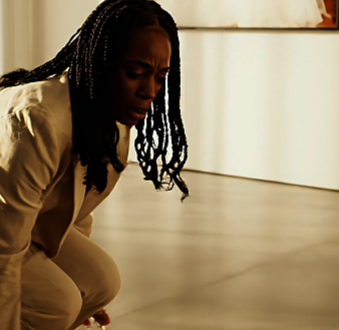
Elena reached up slowly — both hands trembling — and removed her sunglasses. She blinked. Light flooded in. Her pupils contracted, adjusted, focused. The world came back to her in fragments: the string lights, the champagne bubbles, her father’s devastated face. She wasn’t blind. She had never been blind. She’d only been slowly, deliberately made to believe she was.
She looked directly at Victor — the father who’d flown her to specialists, who’d held her hand in every dark waiting room, who’d never once suspected the darkness came from inside his own home.
“Daddy…” she whispered, genuinely confused, genuinely heartbroken. “Why did you let her do it?”
Nobody answered. The string lights kept glowing. The champagne kept sparkling. And Diane — elegant, composed, untouchable Diane — slowly sat down, because her legs had decided, before the rest of her, that it was finally over.