Category Archives: USA Storytime

The “Safe Test”: Why This Billionaire Just Left His Entire Fortune To A Child

The billionaire left his safe wide open to catch his housekeeper’s son in a trap… But the boy’s reaction left the old man trembling in tears.


Daniel Whitmore was a man who owned half the skyline, yet he lived in a world of profound emptiness. At seventy-two, his joints ached with the weight of a thousand secrets and a fortune that had cost him every genuine relationship he’d ever had. To the world, he was a titan of industry; to himself, he was a man waiting for the next person to try and take a piece of him.

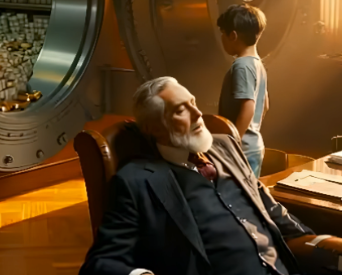
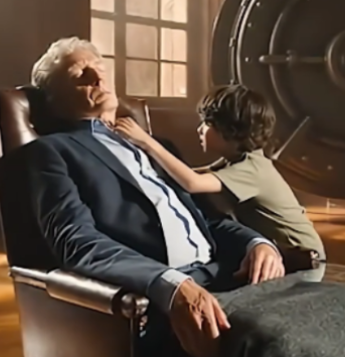
He sat in his high-backed leather chair, the scent of expensive cedar and old paper thick in the air. Sunlight, filtered through the heavy velvet curtains, cut a jagged path across the Persian rug. Daniel’s eyes were closed, his breathing rhythmic and heavy, the perfect imitation of a man lost in a deep afternoon nap.

But Daniel was wide awake. Every nerve was buzzing, focused on the heavy steel door behind him.

The safe was open. It wasn’t just a crack; it was swung wide, exposing stacks of hundred-dollar bills, gold bullion that glowed like honey in the dim light, and a folder of bearer bonds that could fund a small country. To anyone else, it was a king’s ransom. To Daniel, it was bait.

For years, Daniel had watched loyalty evaporate the moment a dollar sign was attached to it. His own brother had embezzled from him; his third wife had tried to sue him for half the company before the honeymoon was over. He had become a cynic, a hunter of motives. He believed that every person had a price, and today, he was looking for the price of the only person he still somewhat respected: Rosa.

Rosa had been his housekeeper for six years. She was a woman of few words and a tireless work ethic. She moved through the mansion like a ghost, cleaning the wreckage of his lonely life without a word of complaint. She never asked for a raise, never hinted at a bonus, and never looked him in the eye for longer than a second.

Then came this morning. Rosa had looked at the floor, her voice trembling, and asked if her nine-year-old son, Eli, could wait in the library for an hour after school while she finished the attic. Her sitter had canceled, and she had nowhere else to turn. Daniel had agreed, his mind already spinning the web.

Let’s see what the seed of a saint looks like when the fruit is ripe for the picking, he had thought.

The heavy oak door to the office creaked—a sound Daniel knew well. Soft, hesitant footsteps padded onto the carpet. They were the steps of a child, light and uncertain.

“Mr. Whitmore?” a small, high voice whispered.

Daniel didn’t move. He kept his jaw slack, his hands resting limply on the armrests. He heard the boy’s breath hitch. The silence of the room was suddenly broken by a sharp intake of air. Daniel knew the exact moment Eli’s eyes hit the safe.

The silence stretched. It felt like an hour, though it was only seconds. Daniel expected to hear the rustle of paper, the clink of gold, or the frantic stuffing of pockets. He waited for the greed to take hold. Most adults would have been halfway to the door by now.

Instead, the footsteps retreated. They moved away from the safe, toward the far corner of the room. Daniel heard the sound of wood scraping against wood. Eli was dragging a heavy mahogany side chair across the floor. He was doing it slowly, with immense effort, trying not to wake the “sleeping” giant.

Daniel felt a flicker of confusion. What was he doing?

The scraping stopped. From the sound, Eli had placed the chair directly in front of the open safe. There was a soft thump as the boy sat down.

“My mom says… if something isn’t yours… you don’t touch it,” the boy whispered to the empty room, his voice shaking. “But if I leave it, someone else might.”

Daniel’s heart hammered against his ribs. The boy wasn’t stealing. He was guarding.

A few minutes passed. Then, Daniel felt a presence close to him. He steeled himself, expecting the boy to reach for the heavy gold watch on his wrist. He felt a small, cool hand touch the back of his own. Then, the fingers moved to his wrist, pressing lightly against the radial artery.

Eli was checking his pulse.

“He’s breathing,” Eli murmured, a note of pure relief in his voice. “He’s just old.”

The “old man” in the chair felt a sudden, sharp pang in his chest that had nothing to do with his heart health. It was the sting of shame.

But Eli wasn’t done. Daniel heard the boy reach into his pocket. He heard the snap of latex. Earlier that day, Daniel had seen Eli helping his mother by wearing a pair of small, oversized cleaning gloves.

“No fingerprints,” Eli whispered. “Just in case.”

Daniel heard the boy move back toward the safe. He didn’t hear the door close—Eli was too smart for that; the click of the lock might wake Daniel up. Instead, Eli sat back down in the chair, a nine-year-old sentry in oversized gloves, shielding the billionaire’s greed from the world.

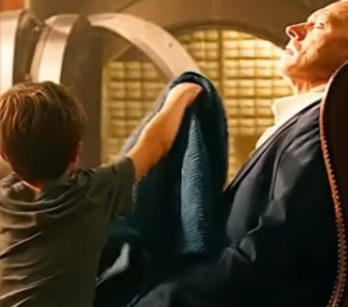
Then, the boy began to hum. It was a low, sweet melody—a lullaby Rosa often hummed while she worked. As Eli hummed, he reached out and did the one thing Daniel never expected. He picked up a light throw blanket that had fallen to the floor and gently, with the grace of a seasoned caretaker, draped it over Daniel’s legs.

“Sleep well, Mr. Whitmore,” Eli whispered. “I’ll watch the gold.”

Daniel’s throat burned. The fire of his cynicism was being extinguished by the pure, unadulterated integrity of a child who had nothing. He realized in that moment that for all his billions, he was the beggar, and this boy, with his tattered sneakers and his mother’s lessons, was the richest person in the room.

Daniel stayed “asleep” for another twenty minutes, listening to the quiet breathing of his small guardian. When he finally “woke,” he made a show of stretching and yawning.

Eli jumped, his eyes wide, his hands behind his back. “Mr. Whitmore! You’re awake!”

Daniel looked at the safe, then at the chair, then at the boy. “Eli? What are you doing here?”

The boy pointed at the safe, his face pale. “It was open, sir. I didn’t want the wind to… to blow the papers away. Or for anyone to get in trouble. I didn’t touch anything! I used my gloves!”

Daniel looked at the safe and then back at the boy. He felt a tear prick the corner of his eye and quickly wiped it away, pretending it was just sleepiness.

“You did a good job, Eli,” Daniel said, his voice thick. “A very good job. You know, I’ve been looking for a partner. Someone I can trust with everything I own.”

Eli tilted his head. “I’m only nine.”

“Integrity doesn’t have an age, son,” Daniel said, standing up and finally closing the safe—not to protect the money, but to signal the end of the test.

That evening, Daniel didn’t just write a check. He called his lawyers. He didn’t just give Rosa a raise; he established a trust fund that would ensure Eli would never have to worry about a tuition fee or a medical bill for the rest of his life.

But the real change happened inside the leather chair. Daniel Whitmore stopped looking for the price of every person he met. He realized that while money can buy a safe, it can never buy the kind of heart that stands guard over it for free. He spent the rest of his days not as a hunter of motives, but as a mentor to the boy who had taught him that the most valuable things in life aren’t kept in a vault—they’re carried in the soul.
Billionaire Left $10M Safe Open To Test Housekeeper’s Son – The Result Is Heartbreaking


The billionaire left his safe wide open to catch his housekeeper’s son in a trap… But the boy’s reaction left the old man trembling in tears.

FULL STORY:


Daniel Whitmore was a man who owned half the skyline, yet he lived in a world of profound emptiness. At seventy-two, his joints ached with the weight of a thousand secrets and a fortune that had cost him every genuine relationship he’d ever had. To the world, he was a titan of industry; to himself, he was a man waiting for the next person to try and take a piece of him.

He sat in his high-backed leather chair, the scent of expensive cedar and old paper thick in the air. Sunlight, filtered through the heavy velvet curtains, cut a jagged path across the Persian rug. Daniel’s eyes were closed, his breathing rhythmic and heavy, the perfect imitation of a man lost in a deep afternoon nap.

But Daniel was wide awake. Every nerve was buzzing, focused on the heavy steel door behind him.

The safe was open. It wasn’t just a crack; it was swung wide, exposing stacks of hundred-dollar bills, gold bullion that glowed like honey in the dim light, and a folder of bearer bonds that could fund a small country. To anyone else, it was a king’s ransom. To Daniel, it was bait.

For years, Daniel had watched loyalty evaporate the moment a dollar sign was attached to it. His own brother had embezzled from him; his third wife had tried to sue him for half the company before the honeymoon was over. He had become a cynic, a hunter of motives. He believed that every person had a price, and today, he was looking for the price of the only person he still somewhat respected: Rosa.

Rosa had been his housekeeper for six years. She was a woman of few words and a tireless work ethic. She moved through the mansion like a ghost, cleaning the wreckage of his lonely life without a word of complaint. She never asked for a raise, never hinted at a bonus, and never looked him in the eye for longer than a second.

Then came this morning. Rosa had looked at the floor, her voice trembling, and asked if her nine-year-old son, Eli, could wait in the library for an hour after school while she finished the attic. Her sitter had canceled, and she had nowhere else to turn. Daniel had agreed, his mind already spinning the web.

Let’s see what the seed of a saint looks like when the fruit is ripe for the picking, he had thought.

The heavy oak door to the office creaked—a sound Daniel knew well. Soft, hesitant footsteps padded onto the carpet. They were the steps of a child, light and uncertain.

“Mr. Whitmore?” a small, high voice whispered.

Daniel didn’t move. He kept his jaw slack, his hands resting limply on the armrests. He heard the boy’s breath hitch. The silence of the room was suddenly broken by a sharp intake of air. Daniel knew the exact moment Eli’s eyes hit the safe.

The silence stretched. It felt like an hour, though it was only seconds. Daniel expected to hear the rustle of paper, the clink of gold, or the frantic stuffing of pockets. He waited for the greed to take hold. Most adults would have been halfway to the door by now.

Instead, the footsteps retreated. They moved away from the safe, toward the far corner of the room. Daniel heard the sound of wood scraping against wood. Eli was dragging a heavy mahogany side chair across the floor. He was doing it slowly, with immense effort, trying not to wake the “sleeping” giant.

Daniel felt a flicker of confusion. What was he doing?

The scraping stopped. From the sound, Eli had placed the chair directly in front of the open safe. There was a soft thump as the boy sat down.

“My mom says… if something isn’t yours… you don’t touch it,” the boy whispered to the empty room, his voice shaking. “But if I leave it, someone else might.”

Daniel’s heart hammered against his ribs. The boy wasn’t stealing. He was guarding.

A few minutes passed. Then, Daniel felt a presence close to him. He steeled himself, expecting the boy to reach for the heavy gold watch on his wrist. He felt a small, cool hand touch the back of his own. Then, the fingers moved to his wrist, pressing lightly against the radial artery.

Eli was checking his pulse.

“He’s breathing,” Eli murmured, a note of pure relief in his voice. “He’s just old.”

The “old man” in the chair felt a sudden, sharp pang in his chest that had nothing to do with his heart health. It was the sting of shame.

But Eli wasn’t done. Daniel heard the boy reach into his pocket. He heard the snap of latex. Earlier that day, Daniel had seen Eli helping his mother by wearing a pair of small, oversized cleaning gloves.

“No fingerprints,” Eli whispered. “Just in case.”

Daniel heard the boy move back toward the safe. He didn’t hear the door close—Eli was too smart for that; the click of the lock might wake Daniel up. Instead, Eli sat back down in the chair, a nine-year-old sentry in oversized gloves, shielding the billionaire’s greed from the world.

Then, the boy began to hum. It was a low, sweet melody—a lullaby Rosa often hummed while she worked. As Eli hummed, he reached out and did the one thing Daniel never expected. He picked up a light throw blanket that had fallen to the floor and gently, with the grace of a seasoned caretaker, draped it over Daniel’s legs.

“Sleep well, Mr. Whitmore,” Eli whispered. “I’ll watch the gold.”

Daniel’s throat burned. The fire of his cynicism was being extinguished by the pure, unadulterated integrity of a child who had nothing. He realized in that moment that for all his billions, he was the beggar, and this boy, with his tattered sneakers and his mother’s lessons, was the richest person in the room.

Daniel stayed “asleep” for another twenty minutes, listening to the quiet breathing of his small guardian. When he finally “woke,” he made a show of stretching and yawning.

Eli jumped, his eyes wide, his hands behind his back. “Mr. Whitmore! You’re awake!”

Daniel looked at the safe, then at the chair, then at the boy. “Eli? What are you doing here?”

The boy pointed at the safe, his face pale. “It was open, sir. I didn’t want the wind to… to blow the papers away. Or for anyone to get in trouble. I didn’t touch anything! I used my gloves!”

Daniel looked at the safe and then back at the boy. He felt a tear prick the corner of his eye and quickly wiped it away, pretending it was just sleepiness.

“You did a good job, Eli,” Daniel said, his voice thick. “A very good job. You know, I’ve been looking for a partner. Someone I can trust with everything I own.”

Eli tilted his head. “I’m only nine.”

“Integrity doesn’t have an age, son,” Daniel said, standing up and finally closing the safe—not to protect the money, but to signal the end of the test.

That evening, Daniel didn’t just write a check. He called his lawyers. He didn’t just give Rosa a raise; he established a trust fund that would ensure Eli would never have to worry about a tuition fee or a medical bill for the rest of his life.

But the real change happened inside the leather chair. Daniel Whitmore stopped looking for the price of every person he met. He realized that while money can buy a safe, it can never buy the kind of heart that stands guard over it for free. He spent the rest of his days not as a hunter of motives, but as a mentor to the boy who had taught him that the most valuable things in life aren’t kept in a vault—they’re carried in the soul.

9-Year-Old Finds Billionaire’s Safe Open: What He Did Next Left The World In Tears

HOOK:

The billionaire left his safe wide open to catch his housekeeper’s son in a trap… But the boy’s reaction left the old man trembling in tears.

FULL STORY:

Daniel Whitmore was a man who owned half the skyline, yet he lived in a world of profound emptiness. At seventy-two, his joints ached with the weight of a thousand secrets and a fortune that had cost him every genuine relationship he’d ever had. To the world, he was a titan of industry; to himself, he was a man waiting for the next person to try and take a piece of him.

He sat in his high-backed leather chair, the scent of expensive cedar and old paper thick in the air. Sunlight, filtered through the heavy velvet curtains, cut a jagged path across the Persian rug. Daniel’s eyes were closed, his breathing rhythmic and heavy, the perfect imitation of a man lost in a deep afternoon nap.

But Daniel was wide awake. Every nerve was buzzing, focused on the heavy steel door behind him.

The safe was open. It wasn’t just a crack; it was swung wide, exposing stacks of hundred-dollar bills, gold bullion that glowed like honey in the dim light, and a folder of bearer bonds that could fund a small country. To anyone else, it was a king’s ransom. To Daniel, it was bait.

For years, Daniel had watched loyalty evaporate the moment a dollar sign was attached to it. His own brother had embezzled from him; his third wife had tried to sue him for half the company before the honeymoon was over. He had become a cynic, a hunter of motives. He believed that every person had a price, and today, he was looking for the price of the only person he still somewhat respected: Rosa.

Rosa had been his housekeeper for six years. She was a woman of few words and a tireless work ethic. She moved through the mansion like a ghost, cleaning the wreckage of his lonely life without a word of complaint. She never asked for a raise, never hinted at a bonus, and never looked him in the eye for longer than a second.

Then came this morning. Rosa had looked at the floor, her voice trembling, and asked if her nine-year-old son, Eli, could wait in the library for an hour after school while she finished the attic. Her sitter had canceled, and she had nowhere else to turn. Daniel had agreed, his mind already spinning the web.

Let’s see what the seed of a saint looks like when the fruit is ripe for the picking, he had thought.

The heavy oak door to the office creaked—a sound Daniel knew well. Soft, hesitant footsteps padded onto the carpet. They were the steps of a child, light and uncertain.

“Mr. Whitmore?” a small, high voice whispered.

Daniel didn’t move. He kept his jaw slack, his hands resting limply on the armrests. He heard the boy’s breath hitch. The silence of the room was suddenly broken by a sharp intake of air. Daniel knew the exact moment Eli’s eyes hit the safe.

The silence stretched. It felt like an hour, though it was only seconds. Daniel expected to hear the rustle of paper, the clink of gold, or the frantic stuffing of pockets. He waited for the greed to take hold. Most adults would have been halfway to the door by now.

Instead, the footsteps retreated. They moved away from the safe, toward the far corner of the room. Daniel heard the sound of wood scraping against wood. Eli was dragging a heavy mahogany side chair across the floor. He was doing it slowly, with immense effort, trying not to wake the “sleeping” giant.

Daniel felt a flicker of confusion. What was he doing?

The scraping stopped. From the sound, Eli had placed the chair directly in front of the open safe. There was a soft thump as the boy sat down.

“My mom says… if something isn’t yours… you don’t touch it,” the boy whispered to the empty room, his voice shaking. “But if I leave it, someone else might.”

Daniel’s heart hammered against his ribs. The boy wasn’t stealing. He was guarding.

A few minutes passed. Then, Daniel felt a presence close to him. He steeled himself, expecting the boy to reach for the heavy gold watch on his wrist. He felt a small, cool hand touch the back of his own. Then, the fingers moved to his wrist, pressing lightly against the radial artery.

Eli was checking his pulse.

“He’s breathing,” Eli murmured, a note of pure relief in his voice. “He’s just old.”

The “old man” in the chair felt a sudden, sharp pang in his chest that had nothing to do with his heart health. It was the sting of shame.

But Eli wasn’t done. Daniel heard the boy reach into his pocket. He heard the snap of latex. Earlier that day, Daniel had seen Eli helping his mother by wearing a pair of small, oversized cleaning gloves.

“No fingerprints,” Eli whispered. “Just in case.”

Daniel heard the boy move back toward the safe. He didn’t hear the door close—Eli was too smart for that; the click of the lock might wake Daniel up. Instead, Eli sat back down in the chair, a nine-year-old sentry in oversized gloves, shielding the billionaire’s greed from the world.

Then, the boy began to hum. It was a low, sweet melody—a lullaby Rosa often hummed while she worked. As Eli hummed, he reached out and did the one thing Daniel never expected. He picked up a light throw blanket that had fallen to the floor and gently, with the grace of a seasoned caretaker, draped it over Daniel’s legs.

“Sleep well, Mr. Whitmore,” Eli whispered. “I’ll watch the gold.”

Daniel’s throat burned. The fire of his cynicism was being extinguished by the pure, unadulterated integrity of a child who had nothing. He realized in that moment that for all his billions, he was the beggar, and this boy, with his tattered sneakers and his mother’s lessons, was the richest person in the room.

Daniel stayed “asleep” for another twenty minutes, listening to the quiet breathing of his small guardian. When he finally “woke,” he made a show of stretching and yawning.

Eli jumped, his eyes wide, his hands behind his back. “Mr. Whitmore! You’re awake!”

Daniel looked at the safe, then at the chair, then at the boy. “Eli? What are you doing here?”

The boy pointed at the safe, his face pale. “It was open, sir. I didn’t want the wind to… to blow the papers away. Or for anyone to get in trouble. I didn’t touch anything! I used my gloves!”

Daniel looked at the safe and then back at the boy. He felt a tear prick the corner of his eye and quickly wiped it away, pretending it was just sleepiness.

“You did a good job, Eli,” Daniel said, his voice thick. “A very good job. You know, I’ve been looking for a partner. Someone I can trust with everything I own.”

Eli tilted his head. “I’m only nine.”

“Integrity doesn’t have an age, son,” Daniel said, standing up and finally closing the safe—not to protect the money, but to signal the end of the test.

That evening, Daniel didn’t just write a check. He called his lawyers. He didn’t just give Rosa a raise; he established a trust fund that would ensure Eli would never have to worry about a tuition fee or a medical bill for the rest of his life.

But the real change happened inside the leather chair. Daniel Whitmore stopped looking for the price of every person he met. He realized that while money can buy a safe, it can never buy the kind of heart that stands guard over it for free. He spent the rest of his days not as a hunter of motives, but as a mentor to the boy who had taught him that the most valuable things in life aren’t kept in a vault—they’re carried in the soul.
She Poured Wine On A “Commoner” — Then Realized She Just Lost $2.4 Billion


A billionaire’s sister poured wine over a Black CEO to humiliate her in front of the world’s elite… But she didn’t realize she just drowned her family’s $2.4B empire.

FULL STORY:


The Grand Ballroom of the Pierre Hotel was a sea of shimmering silk and sharp tuxedos, the air thick with the scent of expensive perfume and even more expensive secrets. At the center of it all sat Alana Vance. To the world, she was the “Algorithm Queen,” the CEO of Vanguard Tech, a woman who had built a multi-billion-dollar empire from a garage in Atlanta. But to Isabella Sterling, the fire-draped heiress leaning over her chair, Alana was simply an intruder.

“Don’t get too comfortable at this table,” Isabella hissed, her voice a jagged blade that sliced through the soft jazz. “People like you don’t belong here.”

The room went tomb-silent. Alana didn’t flinch. She felt the eyes of the global elite—senators, oil magnates, and venture capitalists—boring into her. Isabella’s laugh was high-pitched and jagged. Without a second’s hesitation, the heiress tipped her crystal glass. A heavy stream of vintage Cabernet cascaded like a dark, bloody waterfall. It soaked into Alana’s braided hair, traced the line of her jaw, and turned her vibrant orange silk dress into a sodden, stained wreck.

Gasps rippled through the room. Phones were whipped out, the blue light of screens illuminating the scandal like vultures circling a kill. Isabella threw back her head, basking in the glow of her own cruelty. “There. That’s better,” she crowed. “Orange was never your color. Red suits your… status.”

Alana Vance did not move. She didn’t scream, didn’t cry, and didn’t reach for a napkin. She sat with the poise of a marble statue, the cold wine dripping off her chin and onto the white linen tablecloth. Her silence was louder than Isabella’s taunts. It was a silence that held the weight of a woman who had faced much worse than a spoiled socialite.

Slowly, Alana turned her head. Her gaze locked onto Isabella’s. It wasn’t a look of anger, but of profound, clinical observation—the way a scientist looks at a specimen under a microscope. The laughter in the room began to choke out. The power dynamic shifted so violently that Isabella’s triumphant smirk began to wobble.

“Is the show over?” Alana asked, her voice low and perfectly steady.

“Come on, don’t be shy! Smile for the cameras!” Isabella taunted, though her voice lacked its earlier conviction. She gestured wildly at the crowd, desperate to regain the lead in her own play.

Alana stood up. She didn’t bother wiping the wine away. She looked across the table at Arthur Sterling, Isabella’s brother and the patriarch of the Sterling Group. He had been watching the scene with a smug, distant grin, confident that his family’s legacy made them untouchable.

“Arthur,” Alana said, her voice carrying to every corner of the ballroom. “I came here tonight to sign the merger that would have saved Sterling Group from the $2 billion debt hole your father left behind. I came here because I believed in the potential of your engineers.”

Arthur’s grin vanished. He straightened in his chair, a sudden cold sweat breaking out on his forehead. “Alana, now, let’s not be hasty. Isabella is just… she’s had a bit too much to drink. It’s a family joke.”

“The joke is on you,” Alana replied. She pulled a slim, encrypted tablet from her clutch—the only thing that had stayed dry. With a single, deliberate swipe of her thumb, she hit ‘Delete’ on the digital contract awaiting her signature. “That was the $2.4 billion infrastructure deal. It’s gone. And within sixty minutes, my legal team will file a motion to pull our proprietary AI tech from your entire server farm.”

The blood drained from Arthur’s face. “You can’t do that! That will crash our stocks by morning! We’ll be bankrupt by noon!”

Alana leaned in, the scent of red wine heavy between them. “Your sister said I don’t belong at this table. And she’s right. I don’t belong at a table with people who value bloodlines over character. Since I’m leaving, my capital is leaving with me.”

She turned to Isabella, who was now shaking, the empty wine glass looking less like a trophy and more like a liability. “You were so busy looking at the color of my skin that you forgot to look at the name on the check. Enjoy your ‘belonging,’ Isabella. I hope the walls of this hotel are comfortable, because by next week, you won’t own the house you live in.”

Alana Vance walked out of the ballroom, her head held high, the red stains on her orange dress looking less like a mark of shame and more like a warrior’s crimson sash. Behind her, the room exploded into chaos. Arthur was screaming at his sister, investors were frantically calling their brokers, and the “elite” were suddenly realizing they had just witnessed the suicide of a dynasty.

Alana stepped into her waiting car, finally taking a silk cloth to wipe her face. Her assistant looked at her in horror. “Ma’am, your dress! What happened?”

Alana looked out the window as the Pierre Hotel faded into the distance. “I just performed an expensive cleaning,” she said quietly. “I took the trash out.”

Why This Mogul Cried After Getting Soaked In Soda By A Stranger

She drenched the rude janitor to defend her dignity… But when her fiancé walked in and called the janitor “Dad,” she realized her mistake was fatal.

FULL STORY:

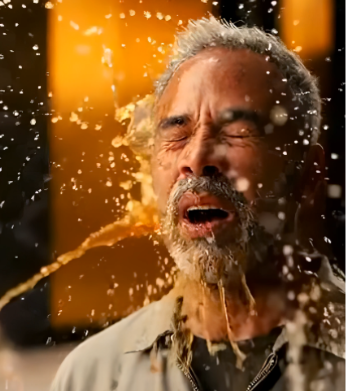
The silence in the lobby was absolute. It was a silence so heavy it felt like it had mass, pressing down on Laura’s shoulders, suffocating her. The dark, sticky soda dripped from the old man’s chin, staining the grey collar of his jumpsuit.

“Dad?” Matthew’s voice cracked across the cavernous marble hall.

Laura felt the blood drain from her entire body. The bottle slipped from her numb fingers, clattering loudly against the floor. She looked at Matthew, whose face was a mask of pure horror, and then back at the janitor—no, not the janitor. Roberto Sandoval. The billionaire she was trying to impress. The man who held the keys to the city, and apparently, to her future.

She had just assaulted the most powerful man in the state.

“I…” Laura choked, stepping back. “Matthew, I didn’t… he said…”

Roberto stood motionless. He slowly reached up with a gloved hand and wiped a streak of soda from his eye. The mockery that had been etched into his face moments ago had vanished, replaced by an unreadable, stoic expression. He peeled off the dirty work gloves, dropping them into the bucket of dirty water.

“Dad,” Matthew rushed forward, pulling a handkerchief from his pocket. “Are you okay? Laura, what happened? Why would you do this?”

“She has a temper,” Roberto said. His voice was no longer raspy and high-pitched. It was the deep, resonant baritone she had heard in news interviews. “And a very poor aim. She got more on my shirt than my face.”

“He insulted me, Matthew!” Laura cried out, tears of humiliation and panic finally spilling over. “He called me a gold digger. He said I was for sale. I didn’t know he was your father, I just… I couldn’t let a stranger talk to me like that. I’m sorry. I’ll leave.”

She turned to run, her heels clicking rapidly on the marble, but a booming voice stopped her cold.

“STOP.”

It wasn’t Matthew. It was Roberto.

Laura froze near the revolving doors. She couldn’t breathe. She waited for security to grab her, or for the police to be called. She turned around slowly.

Roberto was walking toward her. He didn’t look like a janitor anymore, despite the uniform. He walked with the predatory grace of a lion. He stopped two feet in front of her, ignoring his son who was trailing behind him, bewildered.

The billionaire stared at her for a long, agonizing minute. The soda was still sticky on his cheek. Then, his shoulders began to shake.

Laura flinched, expecting a yell.

But Roberto Sandoval wasn’t yelling. He was weeping.

A single tear cut a clean path through the soda stain on his cheek. Then another. He covered his mouth with his hand, his chest heaving.

“Dad?” Matthew touched his father’s arm, terrified. “Dad, are you hurt?”

Roberto waved his son off. He looked at Laura, his eyes wet and shining with an emotion she couldn’t place. It wasn’t anger. It was… relief?

“Do you know how many women I have tested, Laura?” Roberto asked, his voice trembling.

Laura shook her head, mute.

“Seventeen,” Roberto said, wiping his eyes. “Since Matthew started dating seriously, I have tested seventeen women. I dressed as a beggar, a driver, a waiter, and today, a janitor. I insulted them. I questioned their motives. I treated them like they were invisible.”

He took a step closer. “And do you know what they did? They ignored me. Or worse, they agreed with me. They let the ‘janitor’ insult them because they didn’t want to make a scene in the Sandoval lobby. They swallowed their pride because they thought I was a nobody, and they were saving their charm for the billionaire upstairs.”

Roberto laughed, a wet, choked sound. “They were willing to be treated like dogs by the help, just to get a chance at the master’s wallet. They had no spine. No self-respect.”

He gestured to the soda stain on his chest.

“But you,” Roberto whispered. “You threw a drink in my face.”

“I’m sorry,” Laura whispered again, though she was less sure why she was apologizing now.

“Don’t be,” Roberto said fiercely. “You defended yourself. You didn’t care that you were in a billion-dollar building. You didn’t care about the consequences. A man disrespected you, and you fought back. You valued your dignity more than your surroundings.”

Roberto turned to Matthew, grabbing his son by the shoulders. “She’s the one, Matt. She’s the one.”

Matthew looked from his father to Laura, a slow smile spreading across his face.

Roberto turned back to Laura. “My late wife… Matthew’s mother… the first time we met, I was an arrogant young developer and I made a pass at her in a crowded restaurant. She dumped a bowl of hot soup in my lap.”

He chuckled, wiping another tear. “She was the only person who ever told me ‘no.’ She was the only person who loved me for me, not for what I could give her. When you threw that bottle… for a second, I saw her. I saw Maria.”

The tension in Laura’s chest finally broke. She let out a sob of relief.

“You have fire, Laura,” Roberto said, extending a hand—this time, a clean one. “And you have integrity. Money cannot buy those things. And money cannot buy a woman who is willing to risk everything to defend her name.”

Laura took his hand. His grip was warm and firm.

“However,” Roberto added, a mischievous glint returning to his eyes as he looked down at his ruined disguise. “You are paying for the dry cleaning. And this was a rental.”

Laura laughed through her tears. “Deal.”

Matthew wrapped his arm around her waist, kissing her temple. “I tried to warn you,” he whispered. “He’s dramatic.”

“I heard that,” Roberto said, turning back toward the elevators. “Now, come upstairs. We have much to discuss. And Laura?”

“Yes, Mr. Sandoval?”

“Call me Dad. And next time… aim for the chest. Soda stings the eyes.”

My Son Whispered 5 Words That Ended My Marriage


My husband kissed us goodbye for a business trip, but my five-year-old’s whisper forced me to follow him… What I found at a quiet suburban house destroyed our “perfect” life forever.

FULL STORY:

The morning had begun like a thousand others, wrapped in the comfortable, suffocating blanket of domesticity. Lucas was meticulous as he packed his leather briefcase, the scent of his expensive cologne lingering in the hallway—a sharp, citrusy note that I had always associated with success and security. He paused by the front door, kneeling to pull our five-year-old son, Evan, into a tight embrace.

“Be the man of the house while I’m in Chicago, okay?” Lucas whispered, ruffling Evan’s hair. Then he turned to me, his smile as warm and steady as a hearth. He kissed me deeply, a kiss that felt like a promise. “Just a quick trip, Sarah. I’ll be back before you know it. I’ll call you when I land.”

I believed him. Why wouldn’t I? For ten years, Lucas Bennett had been the blueprint of a perfect husband. He was a provider, a listener, a man who remembered anniversaries and brought home “just because” flowers. I drove him to the airport, the silence in the car filled only by the soft hum of the radio and Evan’s quiet humming in the backseat. At the terminal, I watched him haul his suitcase out, wave one last time, and disappear into the bustling crowd of the departure gate.

I put the car in gear, ready to head home and start a lonely week. But as I began to pull away, I felt a small, cold hand tugging at my sleeve.

“Mom…” Evan’s voice was barely a breath, trembling with a weight no five-year-old should carry. “You should watch Dad. He’s not going on a plane.”

My heart skipped a beat, then hammered against my ribs. “What do you mean, honey? You saw him go inside.”

“Watch him,” Evan repeated, his eyes fixed on the terminal doors. There was an eerie certainty in his gaze, a look of profound sadness that chilled me to the bone. “Please.”

I didn’t leave. I pulled into a short-term parking spot, my eyes glued to the glass doors of the terminal. My mind raced, trying to dismiss Evan’s words as a child’s overactive imagination or a plea for attention. But five minutes later, my world tilted on its axis. Lucas emerged from the terminal—not through the security lines, but through a side exit. He wasn’t carrying his heavy suitcase anymore; he only had a small messenger bag. He bypassed the shuttle area and walked straight to a waiting yellow taxi.

My breath hitched. My hands gripped the steering wheel so hard my knuckles turned white. Without a word to my son, I followed.

The taxi wove through the city traffic, heading away from the skyline and toward the quiet, leafy suburbs on the outskirts of town—an area Lucas had always claimed was “too boring” for us. Every mile felt like a descent into a nightmare. We pulled into a neighborhood I didn’t recognize—a place of manicured lawns and identical picket fences. The taxi slowed and finally stopped in front of a charming, two-story colonial house with blue shutters.

I parked a half-block away, my heart pounding so loudly I was sure Evan could hear it. I watched Lucas step out of the cab. He didn’t look like a man on a business trip. He looked like a man coming home. His posture was relaxed, his shoulders unburdened.

The front door opened before he even reached the porch. A woman—younger than me, with blonde hair tied in a loose bun—stepped out, her face lighting up with a radiant, genuine joy. Her name, I would later learn, was Hannah. Behind her, a little girl about Evan’s age, Mia, squealed and ran into Lucas’s arms.

He caught her, spinning her around in the air, his laughter echoing down the street. It was the same laugh he gave Evan. He kissed the woman on the forehead—tenderly, familiarly—and they walked inside, the door closing with a finality that felt like a gavel striking a block.

I sat in the car, paralyzed. The silence was absolute, broken only by Evan’s soft sobbing in the backseat. “He has another family, Mom,” he whispered. “I saw a picture in his drawer. I didn’t want it to be true.”

The sheer biological shock of it made me nauseous. My entire decade-long marriage, every memory, every “business trip,” every late night at the office, replayed in my mind, twisted into a grotesque mockery.

“Stay here, Evan,” I said, my voice sounding like it belonged to a stranger. It was cold, devoid of emotion. I was operating on pure adrenaline now.

“Mom, no…”

“Lock the doors. Do not open them for anyone but me.”

I got out of the car. My legs felt like lead, but I walked. I walked past the manicured hedges, past the tricycle in the driveway that wasn’t my son’s. I walked up the steps to the blue door.

I didn’t knock. I pounded.

The laughter inside stopped abruptly. Footsteps approached. The door swung open, and there stood Hannah, a polite, confused smile on her face. Behind her, in the hallway, Lucas was holding the little girl.

When Lucas saw me, the color drained from his face so fast he looked like a corpse. He almost dropped the child.

“Can I help you?” Hannah asked, looking between me and Lucas. She sensed the tension immediately.

“Sarah,” Lucas croaked. “Sarah, wait. Let’s go outside.”

“No,” I said, stepping into the foyer. I looked at Hannah. “I’m Sarah Bennett. Lucas’s wife. We live forty minutes away. His son is crying in my car right now because he had to tell me his father is a liar.”

Hannah froze. She looked at Lucas, waiting for the denial, the explanation. “Lucas? Who is she?”

Lucas put the little girl down. “Mia, go to your room,” he said, his voice shaking.

“Tell her,” I demanded, stepping closer. The rage was finally catching up to the shock. “Tell her about your ten-year marriage. Tell her about Evan.”

“He told me he was divorced,” Hannah whispered, horror dawning in her eyes. She backed away from him. “He said you were crazy… that you wouldn’t let him see his son.”

“I’m not divorced,” I said, pulling my wedding ring off my finger. “And I’m certainly not crazy. But I am finished.”

I threw the ring. It hit Lucas in the chest and bounced onto the hardwood floor with a hollow ping.

“Sarah, please, it’s complicated,” Lucas begged, reaching for me. “I love you both. I didn’t know how to choose. I was trying to protect everyone.”

“You were protecting yourself,” I spat. “You’re not a father. You’re a coward.”

I turned to Hannah, who was now crying silently, holding her hands over her mouth. “I’m sorry,” I said to her. “I didn’t know you existed until ten minutes ago. But you can keep him. He’s all yours.”

I walked out of that house, leaving Lucas standing in the ruin of his double life. The walk back to the car was the longest of my life, but with every step, the suffocating weight of the “perfect” marriage lifted.

I got into the car and looked at Evan in the rearview mirror. He had stopped crying, watching me with wide, fearful eyes.

“Is it over?” he asked.

I started the engine and put the car in drive, turning away from the house with the blue shutters.

“Yes, baby,” I said, reaching back to squeeze his hand. “The lie is over. Now, we start the truth.”

Judge Was About to Sentence Her, Then The Billionaire’s Son Walked In…


A loyal maid faced 20 years in prison when a billionaire’s mother framed her for theft… But his son stormed the courtroom with a hidden recording that destroyed the family dynasty.

FULL STORY:


The marble floors of the Aldridge estate were cold, but not nearly as cold as the heart of the woman who ruled the house. Eleanor Aldridge, the matriarch of the family, sat in her high-backed velvet chair, sipping tea that cost more than Lucia’s monthly rent.

Lucia Morales wiped her brow, pushing back a stray lock of graying hair. For eighteen years, she had been the invisible engine of this mansion. She knew the creak of every floorboard, the polish required for the silver, and, most importantly, the loneliness of the boy who lived upstairs.

Noah Aldridge. He was twenty-one now, away at his final year of university, but to Lucia, he was still the six-year-old boy sobbing on the stairs after his mother’s funeral. While Daniel, his father, buried his grief in mergers and acquisitions, and Eleanor concerned herself with social standing, Lucia had been the one to hold him. She was the one who taught him Spanish lullabies, patched his scraped knees, and listened to his dreams.

“Lucia!” Eleanor’s voice was like a whip crack.

Lucia hurried to the drawing room. “Yes, Madame?”

“My Sapphire Tear,” Eleanor hissed, pointing to the open wall safe behind a painting. The velvet cushion inside was empty. “It’s gone.”

Lucia’s stomach dropped. The Sapphire Tear was an heirloom worth millions. “Madame, I… I was cleaning in here, but I never—”

“Don’t lie to me!” Eleanor stood up, her face twisted in a sneer she usually reserved for the help. “You’re the only one with access to this wing this morning. Daniel is at the office. The other staff were in the kitchen.”

“I would never steal,” Lucia pleaded, her hands trembling. “Please, check the cameras. Call Mr. Daniel.”

“Oh, I’ll call him,” Eleanor said, a cruel glint in her eye. “And the police.”

When Daniel Aldridge arrived, the atmosphere was suffocating. He looked at Lucia, a woman who had served his family for nearly two decades. There was a flicker of hesitation in his eyes, but it was quickly extinguished by his mother’s grip on his arm.

“She’s a thief, Daniel,” Eleanor insisted, playing the victim perfectly. “I saw her eyeing it last week. She has debts, doesn’t she? That sick brother of hers?”

It was true Lucia was paying medical bills for her brother, a fact she had confided in Daniel years ago. That confidence was now a weapon.

“Lucia,” Daniel said, his voice void of the warmth she expected. “Hand it over, and we won’t press charges. You can just… leave.”

“Mr. Daniel, I swear on my life, on Noah’s life,” Lucia cried, tears streaming down her face. “I didn’t take it.”

“Don’t you dare speak my grandson’s name,” Eleanor snapped.

The police arrived ten minutes later. They didn’t search the whole house; they only searched Lucia’s bag and her small quarters. They found nothing. But Eleanor was powerful. She insisted that Lucia must have handed it off to an accomplice or hidden it outside. With the pressure from the Aldridge legal team, the police arrested Lucia on suspicion of grand larceny.

As she was led out in handcuffs, the neighbors watched. The humiliation burned hotter than the sun. But the worst part wasn’t the cuffs; it was seeing Daniel turn his back, closing the heavy oak door on eighteen years of loyalty.

The months leading up to the trial were a nightmare. Lucia sat in a cramped cell, unable to afford bail. Her public defender was overworked and pessimistic. “It’s their word against yours, Lucia,” he told her, rubbing his temples. “And their word is worth billions. They have character witnesses, security logs, everything. You should take a plea deal. Five years.”

“I won’t admit to something I didn’t do,” Lucia whispered.

The day of the trial arrived. The courtroom was packed. The press was there, hungry for the story of the “greedy maid” who bit the hand that fed her.

Eleanor took the stand first. She was the picture of grace, dabbing dry eyes with a silk handkerchief. She spun a tale of betrayal, painting Lucia as a manipulative leech who had taken advantage of their kindness.

Then came Daniel. He looked tired. He wouldn’t meet Lucia’s eyes. He confirmed that Lucia had financial troubles, cementing the motive.

Lucia felt her world collapsing. She sat alone at the defendant’s table. No family. No friends. Just the weight of the system crushing her. The prosecutor began his closing statement, his voice booming, calling her a “wolf in sheep’s clothing.”

The judge looked ready to bang the gavel. The jury looked bored and convinced.

“If there are no further witnesses…” the judge began.

BANG.

The double doors at the back of the courtroom slammed open against the walls. The sound echoed like a gunshot.

Every head turned.

Standing there was Noah Aldridge. He was out of breath, his hair disheveled, wearing a backpack and a wrinkled t-shirt. He looked nothing like the polished heir he was supposed to be.

“Noah?” Daniel stood up, shocked. “What are you doing here?”

“I have evidence!” Noah shouted, his voice cracking but loud. He marched down the center aisle, ignoring the bailiff trying to intercept him. “I have evidence that proves she’s innocent!”

“Order!” the judge shouted. “Young man, you cannot just barge in here!”

“I’m a witness!” Noah yelled, reaching the front. He slammed a laptop onto the defense attorney’s table. “And I’m the victim’s son. You have to listen to me.”

The defense attorney, stunned, looked at the judge. “Your Honor… if the witness has exculpatory evidence…”

The judge sighed, looking at Noah’s desperate face. “Approach the bench.”

Noah didn’t just approach. He plugged the laptop into the court’s projector system before anyone could stop him.

“Noah, stop this instant!” Eleanor shrieked from the gallery, her composure cracking. “He’s confused! He’s always been too attached to the help!”

“Quiet!” the judge ordered Eleanor.

Noah turned to the court. “My grandmother said the Sapphire Tear was stolen on the morning of the 14th from the wall safe. She said Lucia was the only one in the room.”

Noah typed furiously. A video file appeared on the large screen.

“I installed a nanny cam in the drawing room three months ago,” Noah said, his voice shaking with rage. “Because Lucia told me Grandma was being cruel to her, and I wanted proof to show my Dad.”

The video played. It was dated the 14th.

The room was silent. On screen, Lucia entered, dusted the mantle, and left. She never went near the painting.

Ten minutes later, the door opened again. It was Eleanor.

The courtroom gasped.

On screen, Eleanor walked to the safe. She opened it with her combination. She took out the velvet box, removed the Sapphire Tear, and slipped it into her own brassiere. Then, she took the empty box and threw it on the floor, kicking it under the table to make it look like a frantic robbery.

She pulled out her phone. The audio on the recording was crisp.
“Yes, it’s done. I have the stone. I’ll meet you at the jeweler’s on 5th. The gambling debt will be cleared by tonight. And the best part is, I finally get to fire that wretched maid.”

The video ended.

The silence in the courtroom was absolute. Then, chaos erupted.

Lucia covered her mouth, sobbing openly.

Daniel Aldridge stood frozen, staring at the screen, his face draining of color. He slowly turned to look at his mother.

Eleanor was pale, gripping the railing of the gallery pew. “It’s… it’s a deepfake! It’s AI! He forged it!” she screamed, pointing a trembling finger at her grandson.

“It’s timestamped and cloud-backed,” Noah said coldly into the microphone. “And I found the pawn slip in your desk, Grandma. I gave it to the police outside.”

The judge hammered the gavel, but the noise was uncontrollable. The prosecutor, realizing his case had just imploded, sat down and put his head in his hands.

“Case dismissed with prejudice,” the judge roared over the noise. “Bailiff, take Mrs. Eleanor Aldridge into custody for perjury and filing a false police report.”

Lucia didn’t see Eleanor being handcuffed; she couldn’t see through her tears. She only felt a pair of strong arms wrap around her.

She looked up. It was Noah. He was crying too.

“I’m sorry I was late,” he whispered into her hair. “I drove all night from campus.”

Daniel approached them, looking like a broken man. He looked at his mother being read her rights, then at the son who had more integrity than he ever did, and finally at the woman he had wronged.

“Lucia,” Daniel started, reaching out a hand. “I… I didn’t know.”

Lucia pulled back, still holding Noah’s hand. She straightened her spine, regaining the dignity they tried to steal from her.

“You didn’t know because you didn’t look, Mr. Aldridge,” Lucia said softy. “You chose the easy lie over the hard truth.”

Lucia walked out of the courtroom a free woman, with Noah by her side. She never returned to the Aldridge mansion. With Noah’s help, she started her own catering business. Daniel tried to send money—checks with too many zeros—but she tore them all up.

She didn’t need their money. She had her freedom, and she had the only Aldridge who actually possessed a heart of gold.

She Bought The Company To Fire Him: The Ultimate Revenge Story


He dumped freezing water on the “homeless” woman to teach her a lesson… But he didn’t know he just assaulted the billionaire owner of the company.

FULL STORY:


The water was colder than she expected. It stole the breath from her lungs in a sharp, jagged gasp.

“Get out of my sight, you beggar.”

The words cracked through the open-plan office like a whip. Around forty employees froze, telephones halfway to their ears, fingers hovering over keyboards. They watched in stunned, terrified silence as Trevor Huxley, the regional manager of Brightline Holdings, stood over a dripping, shivering woman.

Cassandra Winn stood near the auxiliary desk, her faded black blazer heavy with water, sticking uncomfortably to her skin. Her hair, usually styled in a sleek, powerful bob, was now plastered to her skull, dripping icy rivulets down her back. Her scuffed shoes squished audibly on the expensive plush carpet.

Heat rose to her cheeks—not from shame, but from a rage so cold it burned.

“People like you don’t belong anywhere near this building,” Trevor sneered, tossing the empty cleaning bucket onto a nearby desk with a loud clatter. His smile was sharp, predatory. “Brightline is a professional corporation, not a shelter for losers. Did you think you could just wander in here and beg for change?”

Cassandra wiped a streak of water from her eyes. She tasted the metallic tang of tap water and the salt of her own humiliation. She looked around the room. She saw fear in the eyes of the junior analysts. She saw pity in the eyes of the receptionist. But mostly, she saw relief—relief that Trevor’s target was a stranger, and not one of them.

“You have no idea what you’ve just done,” Cassandra said softly. Her voice didn’t tremble. It was low, steady, and possessed a gravity that seemed at odds with her tattered appearance.

Trevor laughed. It was a barking, ugly sound. “Oh, I know exactly what I’ve done. I’ve taken out the trash. Now, get out before I call security to drag you out.”

He turned his back on her, adjusting his expensive cufflinks, dismissing her existence entirely. “Back to work, everyone! The show is over.”

Cassandra didn’t move. Not immediately. She took three seconds to memorize the back of his head. To memorize the terrified posture of his assistant, a young man named Leo, who was currently trembling while holding a stack of files. To memorize the toxicity that hung in the air of her father’s company like a thick, choking smog.

Then, she turned and walked toward the elevator.


To understand how the owner of a multi-billion dollar empire ended up soaked in dirty water on the 42nd floor, you have to go back four hours.

At 6:00 AM, Cassandra Winn had woken up in her penthouse. Three hundred square meters of luxury, panoramic skyline views of Chicago, and artwork worth more than most suburban neighborhoods. But that morning, she hadn’t reached for her Armani suits or her Italian leather heels.

She chose a thrift-store blazer she’d bought for five dollars. She chose scuffed synthetic shoes and an imitation handbag with a broken strap.

Since inheriting her father’s empire five years ago, Cassandra had run Brightline Holdings from the shadows. She preferred video meetings with the camera off. She used private offices. She was a voice on a speakerphone, a signature on a memo. To most employees, “C. Winn” wasn’t a person; she was a rumor. A ghost.

But the ghost had been receiving emails.

They were anonymous, sent from burner accounts to the generic ethics hotline that routed directly to her private server.

“The culture is rotting.”
“Trevor H. targets the weak.”
“I’m afraid to go to work tomorrow.”

Cassandra had tried to send HR. The reports came back clean. “Trevor Huxley is a high performer,” the HR director had assured her. “Strict, yes. But effective. The staff respects him.”

The emails said otherwise. So, Cassandra decided she needed to see it with her own eyes. She needed to become invisible.

At 8:00 AM, she had walked through her own front doors. The security guard, a man she paid a premium salary, didn’t even look up from his phone as she shuffled past. The executives in the lobby, men she had given bonuses to last Christmas, physically steered around her as if poverty were a contagious disease.

She had made it to the 42nd floor unnoticed. She had claimed she was there for a custodial interview. She had stood by the wall, observing.

She watched Trevor berate a pregnant woman for taking a bathroom break. She watched him steal credit for a junior associate’s idea. And then, he had seen her.

He hadn’t asked who she was. He hadn’t asked security to escort her out. He had seen a target—someone “beneath” him that he could use to demonstrate his dominance to the herd.

He had walked to the breakroom, filled a bucket, and assaulted her.


Now, standing in the elevator as it descended, Cassandra shivered. The water was seeping into her bones.

“Ma’am?”

She looked up. The young man, Leo—Trevor’s assistant—had slipped into the elevator just before the doors closed. He looked terrified. He held out a clean, dry suit jacket.

“I… I can’t do much,” he whispered, checking the floor numbers as if expecting Trevor to burst through the ceiling. “But take this. It’s freezing outside. And… I’m sorry. He’s a monster. But we have mortgages. We’re scared.”

Cassandra looked at the jacket, then at Leo’s face. This was the heartbeat of her company. Good people, paralyzed by fear.

She took the jacket. “Thank you, Leo. What’s your full name?”

“Leo Varga.”

“Leo Varga,” she repeated, testing the weight of it. “You won’t need to be scared much longer.”

She got off on the ground floor. She walked out of the building, past the indifferent security guard, and around the corner to where her driver, Alfred, was waiting in a blacked-out SUV.

Alfred’s eyes widened in the rearview mirror as she climbed in, soaking wet.

“Miss Winn? Good heavens, shall I take you to the hospital?”

“No, Alfred,” she said, peeling off the wet blazer. “Take me to the penthouse. I need thirty minutes. Keep the engine running.”


Forty-five minutes later, the elevator on the 42nd floor chimed.

The office was buzzing. Trevor was recounting the story of the “drowned rat” to a group of sycophantic middle managers, laughing loudly.

“…soaked her to the bone! You should have seen the look on her face. Like a wet dog!”

The elevator doors slid open.

The sound of heels clicking on the floor was sharp, rhythmic, and authoritative. It wasn’t the squish of cheap shoes. It was the distinct, commanding strike of Louboutins.

The office went quiet, ripple by ripple, as heads turned.

Cassandra Winn walked onto the floor. She was wearing a tailored white suit that cost more than Trevor’s car. Her hair was blow-dried and immaculate. Her makeup was sharp. Flanked by two large security officers and the Director of Human Resources, she looked like a war goddess descending for judgment.

She walked straight to the center of the room.

Trevor frowned, stepping forward. He didn’t recognize her. He saw the clothes, the posture, the entourage. He saw power.

“Can I help you?” Trevor asked, his voice dropping into his ‘charming executive’ tone. “I wasn’t aware we had VIP visitors today.”

Cassandra stopped. She stood exactly where she had stood forty-five minutes ago. She looked at the wet spot still soaking into the carpet.

“You have a stain on your carpet, Mr. Huxley,” she said. Her voice was the same. The exact same timber and cadence as the beggar woman.

Trevor paused. A flicker of confusion crossed his face. “Excuse me?”

“And you have a bucket on that desk that doesn’t belong there.”

Trevor’s face went pale. He squinted. He looked at her eyes. They were the same eyes that had stared at him through the water.

“No,” he whispered. “That’s… that’s not possible.”

“I’m told,” Cassandra announced, raising her voice so every corner of the room could hear, “that Brightline Holdings is a professional corporation. Not a shelter for losers.”

A collective gasp swept through the room. Leo, standing in the background, covered his mouth with his hand.

Cassandra turned to the HR Director. “Mr. Henderson, does our employee handbook cover physical assault on company property?”

“It does, Ms. Winn,” the Director said, glaring at Trevor. “It results in immediate termination and potential legal action.”

“Ms. Winn?” Trevor choked out. He took a stumbling step back. “You… you’re Cassandra Winn? The owner?”

“I am,” she said coldly. “And you are the man who just assaulted me.”

Trevor began to sweat. “Ma’am, please. It was a misunderstanding. I thought you were an intruder! A security risk! I was protecting the company! I didn’t know it was you!”

“That is exactly the problem, Trevor,” Cassandra said, stepping into his personal space. “If you had known it was me, you would have kissed my feet. You treated me like garbage because you thought I was weak. You thought I was poor. You thought I was nobody.”

She gestured to the room. “You judge people by their utility to you. And that is a rot I will not allow in my father’s building.”

She turned to the security guards. “Escort Mr. Huxley out. He is not to take anything. Not a stapler, not a file, not a picture frame. Make sure he leaves the building immediately.”

“You can’t do this!” Trevor screamed as the guards grabbed his arms. “I’m the best manager you have! Look at my numbers!”

“Your numbers are built on fear,” Cassandra replied. “And I’m done with fear.”

As Trevor was dragged toward the elevators, kicking and shouting, the silence in the office was deafening. But this time, it wasn’t a silence of terror. It was the silence of awe.

Cassandra took a deep breath. She turned to the crowd.

“Leo Varga?”

Leo jumped, his face pale. “Y-yes, Ms. Winn?”

“Come here, please.”

Leo walked forward, his legs shaking.

“You were the only person in a room of forty who showed kindness to a stranger who could offer you nothing in return,” Cassandra said, her voice softening. “You gave me your jacket. You risked this man’s anger to help me.”

She looked at the HR Director. “Mr. Henderson, Mr. Huxley’s position is now vacant. I want Leo appointed as Interim Team Lead, effective immediately, with a salary review.”

Leo’s jaw dropped. “Ms. Winn… I… I’m just an assistant.”

“You’re a leader, Leo. We can teach you the spreadsheets. We can’t teach character.”

She turned to the rest of the staff.

“Things change today,” she declared. “No more ghosts. No more bullies. If you see something wrong, you email me. I’ll be reading them.”

Cassandra walked toward the elevator, the click of her heels the only sound in the room. As the doors closed, she caught a glimpse of the wet patch on the carpet.

It would dry. But the lesson she taught them today would last forever.

She Pushed The Wheelchairs Away And Did The UNTHINKABLE With His Twins!


He rushed home to surprise his paralyzed twins, but found their wheelchairs empty and the nanny chanting over their bodies… The truth left him in tears.

FULL STORY:


The flight from Dubai was grueling, but Alejandro didn’t care. He had paid three times the standard fare to switch his ticket, shaving twenty-four hours off his trip. He was a man who commanded boardrooms and moved markets, but right now, all he wanted was to be a father.

Since his wife, Elena, had passed away during childbirth, Matthew and Lucas were his entire universe. Born with severe cerebral palsy, the twins required round-the-clock care. Alejandro’s grief had manifested as overprotection; he built a fortress of wealth around them. The best doctors, the most advanced wheelchairs, and the most expensive home care money could buy.

That was how he found Maria. She was quiet, older, with hands that looked like they had worked hard fields her entire life. She didn’t have the fancy degrees of the previous three nurses he had fired, but she had a warmth that the others lacked. He trusted her. Or at least, he thought he did.

Alejandro instructed the driver to stop at the gate. He wanted to walk up the driveway, to sneak in and surprise the boys. He clutched two limited-edition plush toys he’d bought at the airport—ridiculously expensive, but soft.

He keyed into the back door, stepping into the cool, marble-floored kitchen.

Silence.

Usually, at 2:00 PM on a Tuesday, the house hummed with the sounds of the therapy machines or the television. Today, the mansion felt like a tomb.

“Maria?” he called out, his voice soft so as not to startle them.

No answer.

A prickle of unease danced down his spine. He walked faster, his dress shoes clicking against the floor. He passed the therapy room. Empty. He passed the dining room. Empty.

When he reached the archway of the main living room, he stopped dead. The plush toys dropped from his hands.

Against the far wall, the boys’ custom-made wheelchairs sat empty. They looked like discarded shells. Alejandro’s breath hitched in his throat. The boys couldn’t support their own weight. They couldn’t stand. They couldn’t get out of those chairs alone.

“Matthew? Lucas?”

He stepped fully into the room and looked toward the center rug, where the afternoon sun pooled in a bright circle.

There they were. Lying on the floor.

Maria was sitting cross-legged between them. She was swaying back and forth, her eyes closed, murmuring a low, rhythmic chant in a dialect Alejandro didn’t recognize. It wasn’t Spanish, and it wasn’t English. It sounded ancient.

The twins were motionless on their backs.

“Maria!” Alejandro roared, the panic exploding into rage.

Maria didn’t flinch. She didn’t even look up. She kept chanting, faster now.

Alejandro sprinted across the room, his mind flashing with horror stories from the news—cults, sedative overdoses, rituals. He reached them in seconds, ready to tackle the woman, when he saw it.

She was holding something over Matthew’s chest.

It was a small, rusty metal object. Jagged and old. It looked like a piece of debris, something dangerous.

“Get away from them!” Alejandro screamed, grabbing Maria by the shoulder and ripping her backward.

Maria gasped, her eyes snapping open. She looked terrified—not of Alejandro, but for the boys. “No, Señor! Please, wait!”

“You’re fired! You’re done!” Alejandro knelt beside Matthew, frantically checking for a pulse. “What did you give them? What is that thing?” He pointed a trembling finger at the rusty metal in her hand. “If you hurt them, I swear to God…”

“Papa?”

The word was weak, strained, but unmistakable.

Alejandro froze. He looked down. Matthew was looking at him. But he wasn’t crying. He was smiling.

And then, Lucas, who hadn’t spoken a clear word in two years, made a sound. A grunt of effort.

“Look,” Maria whispered, tears streaming down her face. She held up the rusty object. “Please, Señor. Just look.”

Alejandro snatched the object from her hand. It wasn’t a weapon. It wasn’t a tool for a ritual.

It was an old, corroded winding key.

“What is this?” Alejandro demanded, his voice shaking.

“I found it,” Maria said, her voice trembling. “In the attic. In a box of Elena’s things. I was cleaning last week. I found a music box, but it was broken. This was the key.”

“So? Why are my children on the floor?”

“Because,” Maria said, wiping her eyes, “when I played the music… they tried to move toward it. The melody… it’s the one Elena used to hum to them in the womb. You told me once.”

Alejandro looked at the key, then at the boys.

“I didn’t want to tell you until I was sure,” Maria continued. “The doctors said their muscles were too atrophied. They said they would never lift their heads. But every day, we get on the floor. I wind the box. I hold the key. And they want it. They want their mother’s song.”

Maria crawled back toward Lucas. She gently hummed the melody—a soft, haunting lullaby.

Alejandro watched in stunned silence as Lucas, his son who had been written off by top neurologists, gritted his teeth. His small face turned red with exertion. His arm, usually limp at his side, twitched. Then it lifted. An inch. Two inches.

He reached out and touched the rusty key in Alejandro’s hand.

Alejandro fell to his knees. The sob that ripped through his chest was loud and ugly. He dropped the key and pulled both of his sons into his arms, burying his face in their necks.

He had paid millions for machines that moved his children’s bodies, but he had forgotten to give them a reason to move. Maria hadn’t. She hadn’t used magic; she had used the memory of a mother’s love to spark a fire in their nerves.

“I thought…” Alejandro choked out, looking at Maria through blurred vision. “I thought you were hurting them.”

“I was healing them,” Maria smiled softly, picking up the rusty key. “Pain implies they can feel. Effort implies they have hope. We are working on hope, Señor.”

Alejandro cancelled his meetings for the next month. He didn’t fire Maria. Instead, he joined them on the floor every afternoon. The rusty key eventually opened the music box, but by then, it didn’t matter. The twins were already learning to sit up.

She Broke Out Of A Burning House And Did The One Thing He Didn’t Expect


He locked his pregnant wife inside their burning home to please his mistress… But he made one fatal mistake that would destroy them both.

FULL STORY:


The smoke didn’t smell like burning wood; it smelled like accelerant. A chemical, acrid tang that coated Emily’s throat the moment she woke up from the nap Daniel had insisted she take.

“Rest, Em. You’re exhausted. I’ll go pick up that Thai food you’ve been craving,” he had said, his voice surprisingly tender. It was the first time in months he hadn’t looked at her with concealed contempt. She wanted so badly to believe the old Daniel was back that she ignored the cold sweat on his forehead and the way his hands shook as he tucked the blanket around her.

She was seven months pregnant. Her movements were slow, her center of gravity shifted. When she coughed, the sound rattled in her chest, waking her fully. The living room was already a haze of gray. The orange glow wasn’t coming from the fireplace, but from the hallway.

“Daniel?” she called out, swinging her legs off the couch. “Daniel, did you leave the stove on?”

No answer. Just the roar of heat gaining traction.

Emily moved toward the front door, confusion morphing into low-grade panic. She grabbed the handle. Locked. She twisted the deadbolt. It wouldn’t budge. It wasn’t just locked; it felt jammed, as if something had been wedged into the mechanism from the outside.

She ran to the back door, stumbling over a rug. Locked. The key, usually hanging on the hook by the frame, was gone.

“Help! Fire!” she screamed, pounding on the glass. The heat was rising, a physical weight pressing against her skin.

She turned to the windows. They were old, double-hung frames they had planned to replace next summer. She unlatched the lock and pushed. Nothing. She shoved harder, adrenaline spiking. It was stuck fast. She looked closely at the frame—superglue. A thick, dried bead of it ran along the sash.

The realization hit her harder than the smoke. The missing key. The jammed deadbolt. The glued windows. The “errand” for food.

Through the front bay window, the flames were reflecting off the glass, but she could see through the haze. At the end of the driveway, illuminated by the streetlamp and the growing inferno, stood two figures.

One was Daniel. She knew the slope of his shoulders, the way he held his hands in his pockets. Beside him was a woman in a long coat. Vanessa. She saw Vanessa lean into him, her head resting on his shoulder as if they were watching a fireworks display, not the incineration of his wife and unborn child.

He wasn’t coming back. He hadn’t gone for food. He had entombed her.

A primal scream ripped from Emily’s throat—not of sorrow, but of pure, motherly rage. “No,” she hissed, clutching her belly. “You don’t get to win.”

The hallway was impassable. The living room was filling with black smoke that rolled along the ceiling like an inverted ocean. She dropped to her knees, crawling toward the kitchen. The air was cleaner down there.

Think, Emily. Think.

The kitchen window. It was small, located above the sink, meant for ventilation. Had he glued that one too? She dragged a heavy wooden dining chair over, gasping for air. The fire was roaring now, the sound like a freight train tearing through the house.

She climbed onto the counter, her belly pressing against the cold granite. She tried the window. Glued.

Daniel had been thorough. He wanted this to look like an accident, a tragedy where the grieving husband tried everything but arrived too late.

She looked around the kitchen. Her eyes landed on the heavy cast-iron skillet hanging on the rack—a wedding gift from her grandmother.

She grabbed it. The handle was hot, but she didn’t care. With a guttural roar, she swung the skillet with every ounce of strength she possessed.

CRASH.

The glass shattered, shards raining down into the sink. The fresh oxygen fed the fire behind her, causing a terrifying whoosh sound as the flames surged toward the kitchen. She didn’t hesitate. She cleared the jagged glass from the frame with the bottom of the pan, cutting her forearms, bleeding, burning, screaming.

She scrambled through the small opening. It was a tight squeeze. She scraped her stomach, protecting the baby with her arms, and tumbled out onto the mulch of the side garden.

She landed hard on her shoulder but rolled immediately, scrambling away from the house on hands and knees. She didn’t stop until she reached the cover of the neighbor’s thick hedge.

She gasped, sucking in the cool night air, vomiting soot and bile. She looked back. The house was a torch.

She started to stand up, to run toward Daniel and scream that he had failed, but a dark instinct stopped her.

If he knew she was alive, he would try again. He was desperate. Vanessa was manipulative. If she walked out there now, amidst the chaos, who was to say they wouldn’t finish the job before the fire trucks arrived?

She stayed hidden in the shadows of the hedge, watching.

Minutes later, sirens wailed in the distance. Only then did Daniel move. He ran toward the house, putting on a show. He screamed her name, falling to his knees in the grass, flailing his arms. Vanessa stood back, covering her mouth in mock horror.

Neighbors were pouring out of their houses now. They held Daniel back as he feigned attempts to run into the inferno.

“My wife!” he wailed. “Emily! She’s in there!”

Emily watched him with cold, dead eyes. She waited until the first police cruiser screeched to a halt. She waited until the firefighters were deploying hoses.

Then, she emerged.

She didn’t walk toward Daniel. She walked straight toward the police officer stepping out of the cruiser. She was covered in soot, bleeding from her arms, her maternity dress torn, her face a mask of ash and tears.

The crowd went silent.

Daniel’s wailing stopped abruptly. He turned, his face draining of color, his mouth hanging open in a silent shape of terror. Vanessa froze, her hand dropping from her mouth, revealing a scowl of pure disbelief.

“Ma’am! You’re hurt,” the officer said, rushing to her. “We need an ambulance!”

Emily pointed a shaking, blackened finger past the officer. Not at the house. At Daniel.

“He locked the doors,” she rasped, her voice loud enough for the neighbors, the firefighters, and the silence of the night to carry. “He glued the windows. He did this.”

“Emily, baby, you’re in shock,” Daniel stammered, stepping forward, his voice trembling—not with concern, but with fear. “I went to get food—”

“Check his pockets,” Emily told the officer, her eyes never leaving Daniel’s. “Check his pockets for the back door key. The one that’s missing from the hook.”

Daniel instinctively slapped his hand over his jacket pocket. The guilt was written in neon across his face.

The officer looked from Emily to Daniel, his demeanor shifting instantly from sympathy to suspicion. “Sir, keep your hands where I can see them.”

“She’s crazy! She’s hormonal!” Vanessa shouted, trying to intervene. “He was with me! We were—”

“Standing at the end of the driveway,” Emily cut in. “Watching me burn.”

The investigation was swift. The fire marshal found the traces of accelerant immediately. The forensic team found the superglue on the window frames—and a tube of the same glue in Daniel’s truck. And in his pocket? The back door key.

Daniel Reid crumbled in interrogation. He tried to pin it all on Vanessa, claiming she threatened to leave him if he didn’t “solve the problem.” Vanessa, in turn, produced text messages where Daniel promised her a “fire sale” on his old life so they could start fresh with the insurance money.

Emily gave birth to a healthy baby boy, Leo, two months later. She watched on the news as Daniel was sentenced to 25 years to life for attempted first-degree murder and arson. Vanessa received 15 years as an accomplice.

Emily used the insurance payout—not from the house, but from the construction company Daniel was forced to liquidate—to buy a small cottage near the ocean.

Sometimes, when she watches Leo play in the sand, she thinks about the fire. She thinks about how the heat forged her into something unbreakable. Daniel had tried to turn her into ash, but he had forgotten one thing:

Diamonds are made under pressure.